
Tankless Water Heater Maintenance in Martinsburg: How to Beat Hard Water
If you own a tankless water heater in Martinsburg, you should flush it at least once a year. Our local water is very hard, so mineral scale builds up inside the heat exchanger fast, and it can cut your unit's life short by years.
The good news is that the fix is simple and affordable. Once you understand why our water causes trouble, you can stay ahead of it with one short service visit a year.
Why Martinsburg’s Water Is So Hard on Tankless Systems
Martinsburg water is hard because the Eastern Panhandle sits on karst limestone. As water moves through that rock, it dissolves calcium and magnesium and carries those minerals straight to your tap.
Here is how our local numbers compare to the standard scale used by the USGS and the Water Quality Association:
| Hardness Level | Grains per Gallon (GPG) |
|---|---|
| Soft | Under 3.5 |
| Moderately hard | 3.5 to 7.0 |
| Hard | 7.0 to 10.5 |
| Very hard | Over 10.5 |
| Berkeley County PSD design value | About 15 |
| Martinsburg city water (typical) | 25 to 30 |
Berkeley County Public Service Water District designs around roughly 250 mg/L, or about 15 grains per gallon, and describes the local geography as ideal for producing very high hardness. City water inside Martinsburg often tests even higher, in the 25 to 30 GPG range. In other words, your water can run 2 to 3 times past the "very hard" line.
That matters more than you might think. The Uniform Plumbing Code already recommends treating water at 10 grains or above before it reaches water heating equipment, precisely to prevent lime scale and the energy loss that follows.
What Hard Water Actually Does Inside Your Heater
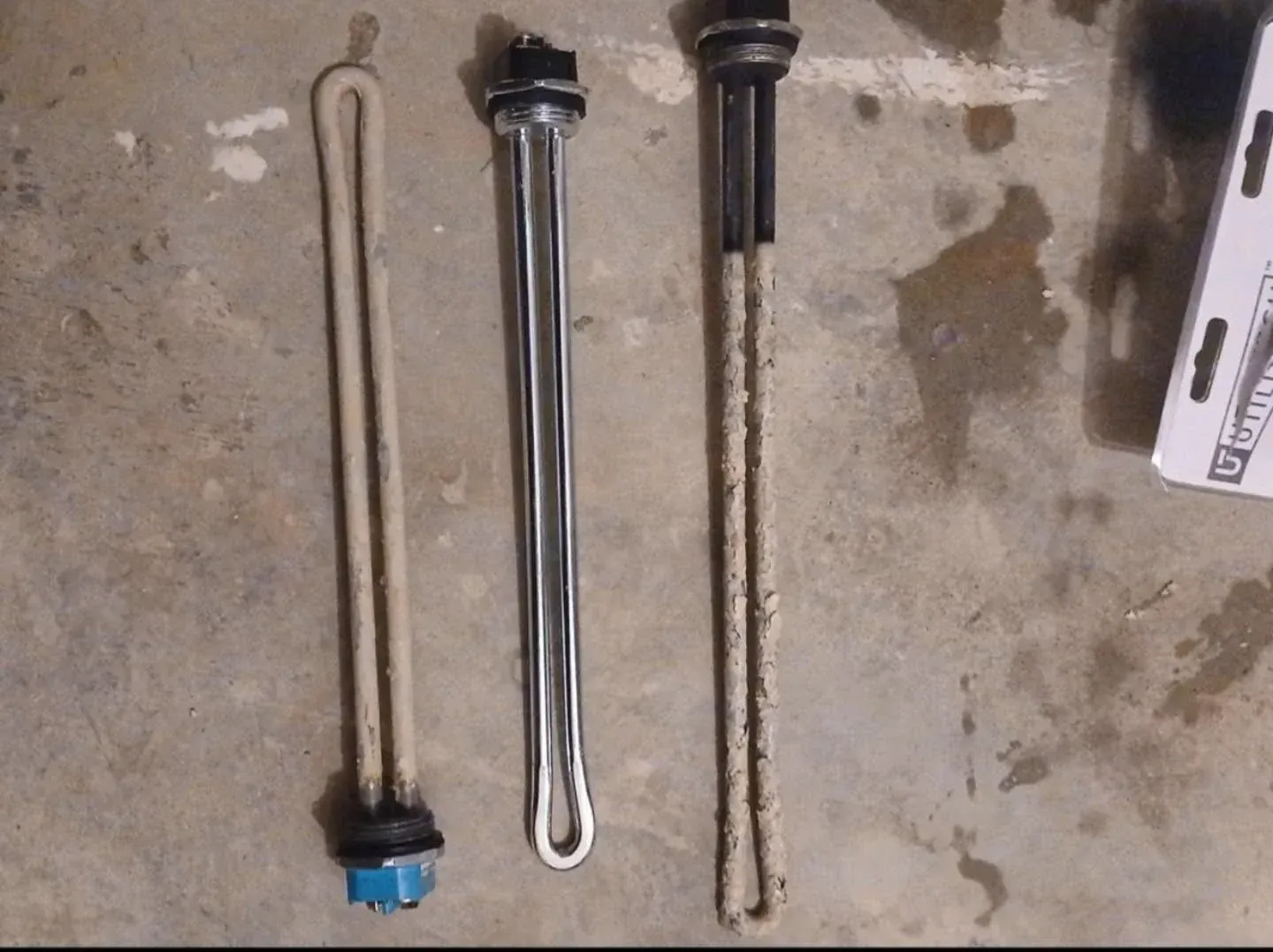
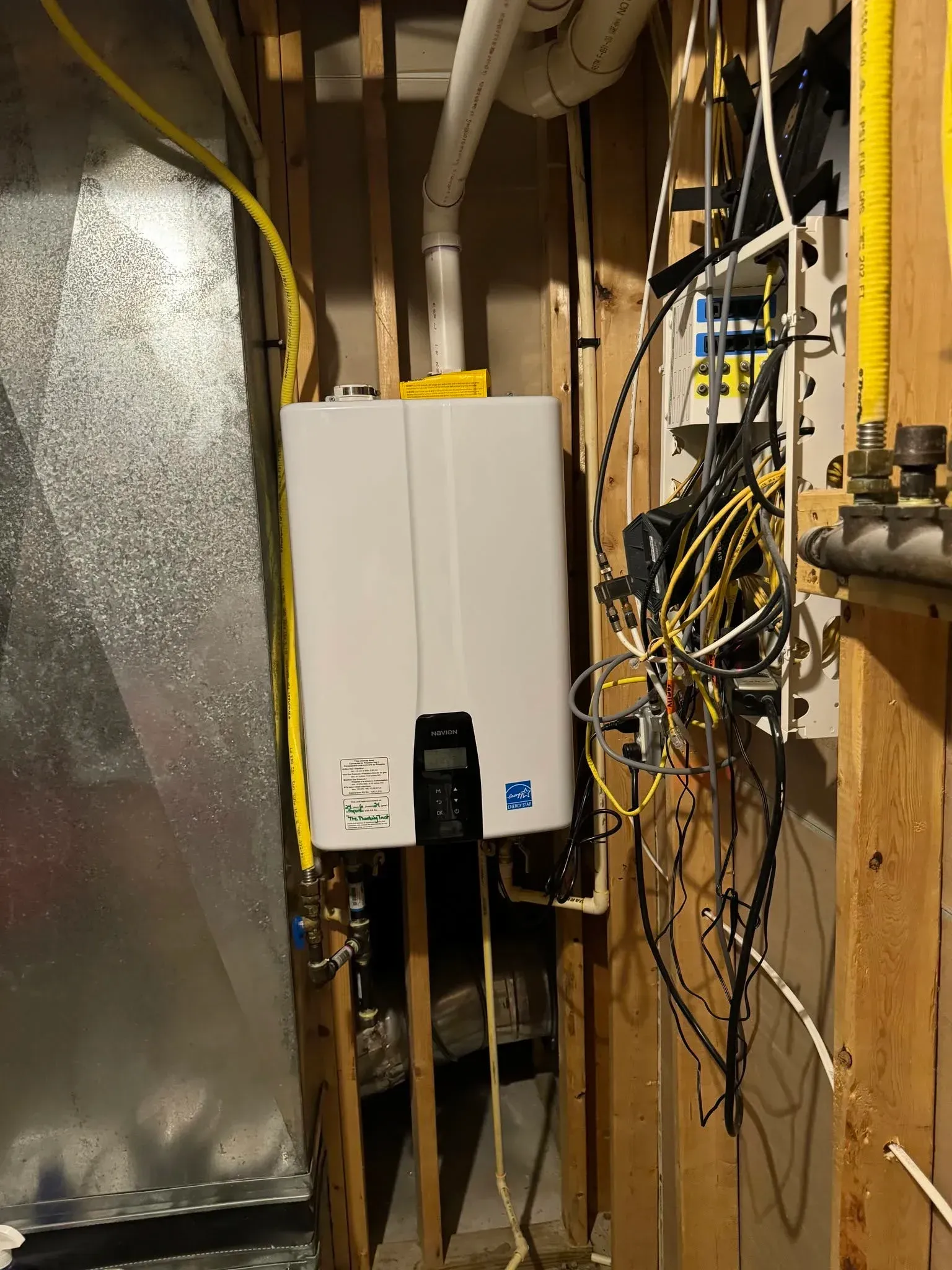
Hard water damages a tankless heater by baking mineral scale onto the hottest surfaces in the unit. Because tankless systems heat water instantly through narrow copper passages, minerals drop out of the water and stick almost immediately.
The research is blunt about the results:
- A Department of Energy report from Pacific Northwest National Laboratory found that scaling significantly hurts tankless efficiency and can cut equipment life to under 2 years in extremely hard water unless the unit is delimed often.
- In Battelle testing commissioned by the Water Quality Research Foundation, tankless heaters running on 26 GPG water stopped working entirely after only 1.6 years of equivalent hot water use. The same units on softened water held their factory efficiency rating for 15 years.
Those numbers describe water very close to what comes out of a Martinsburg tap. So maintenance is not optional here, even though a manufacturer's manual written for the national average might make it sound that way.
Warning Signs Your Tankless Heater Needs a Flush
Scale rarely fails loudly. Instead, performance slips a little at a time. Watch for these signs:
- Hot water takes longer to arrive than it used to
- Shower temperature swings from hot to cold and back
- Hot water pressure feels weaker than cold water pressure
- The display shows error codes, especially overheating codes
- Energy bills climb with no change in your habits
- You hear clicking, popping, or straining from the unit
If you notice even one of these, book a service visit. Catching scale early costs far less than replacing a heat exchanger.
What a Professional Tankless Flush Includes
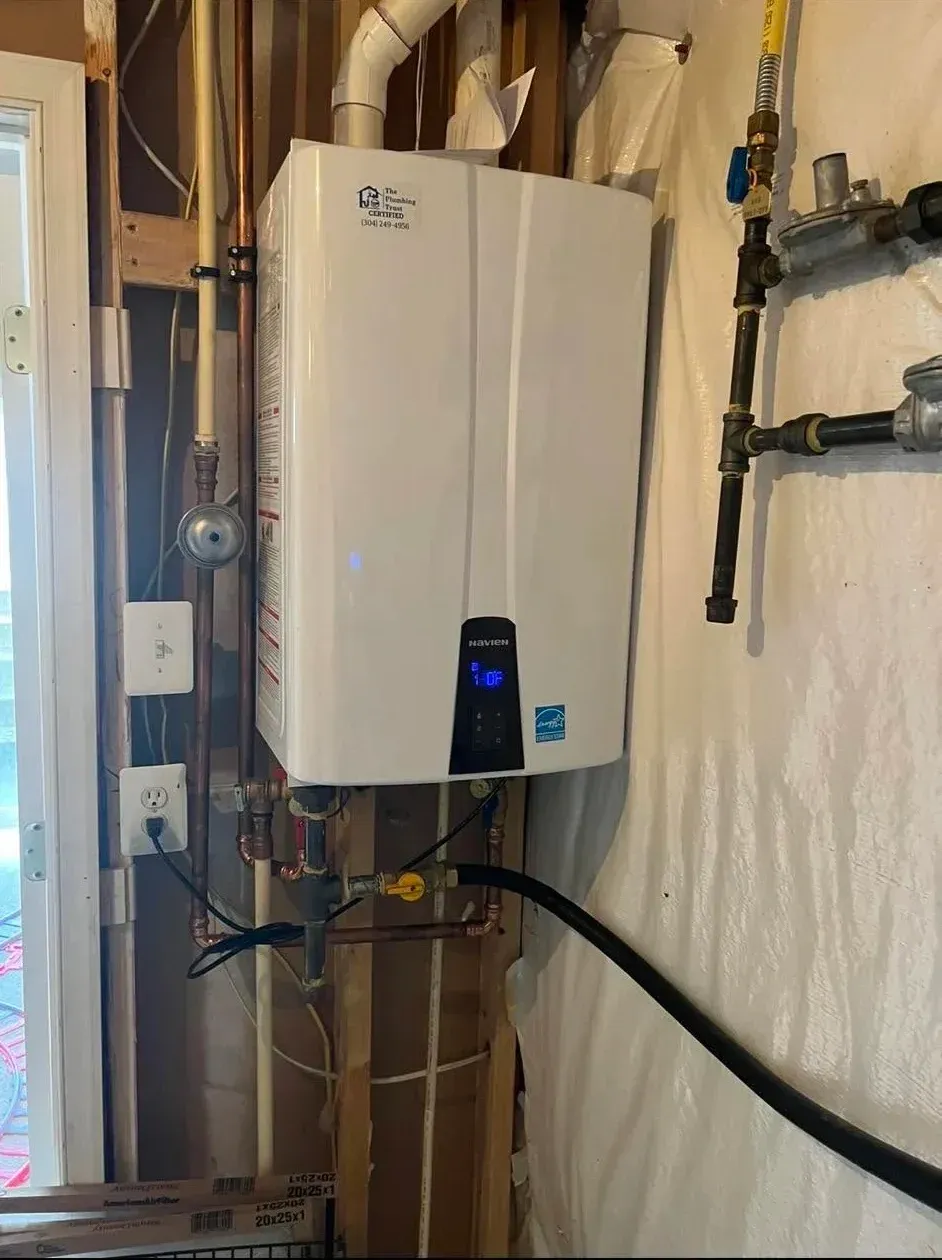
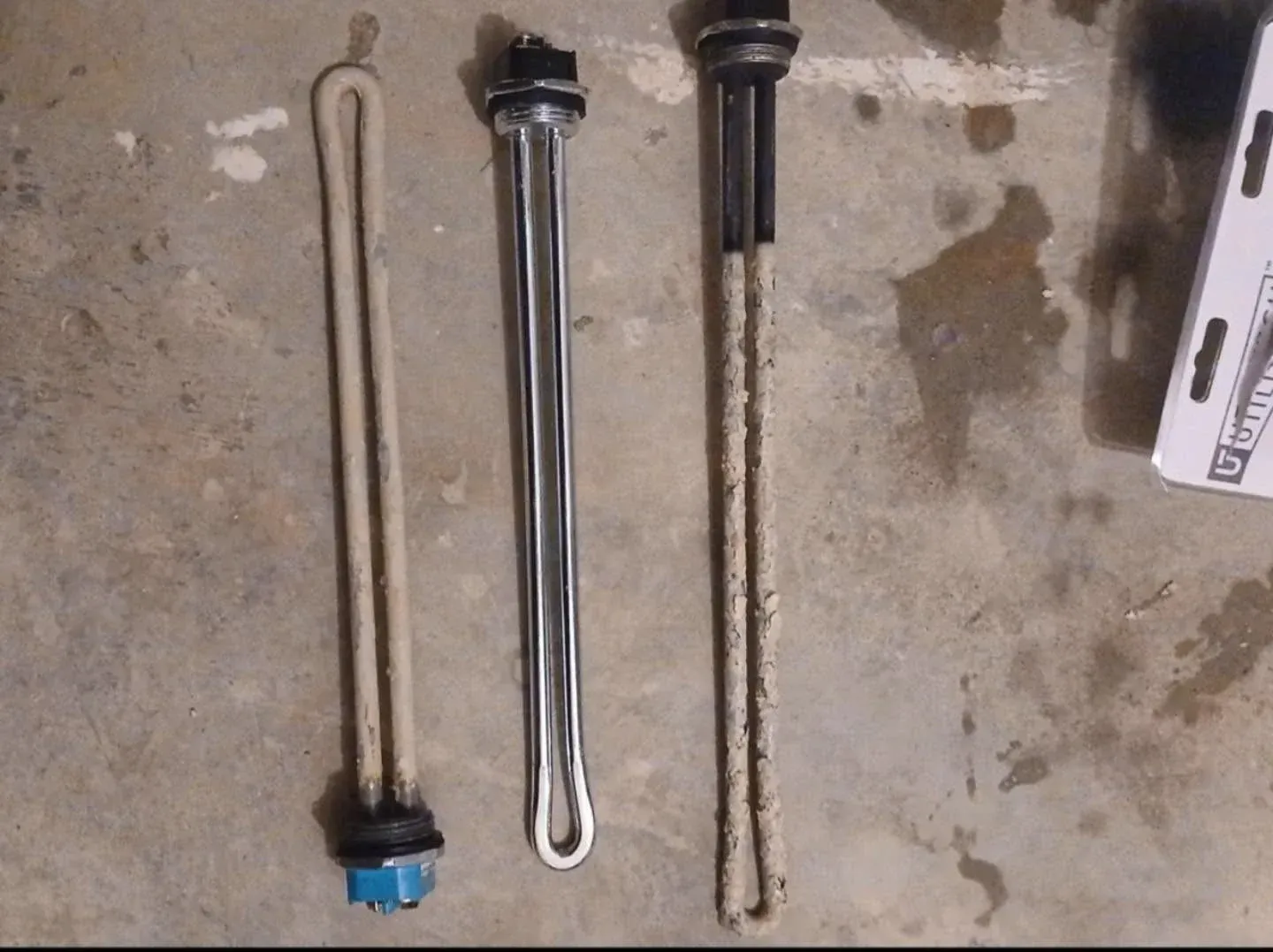
A standard flush takes under two hours and removes scale before it does permanent damage. Here is what your plumber does:
- Shut down the unit. Cold water supply plus gas or power is turned off.
- Connect hoses. Service ports on the unit link to a pump and bucket.
- Circulate descaler. Food-grade descaling solution, usually diluted white vinegar or a commercial equivalent, runs through the heat exchanger for 45 to 90 minutes.
- Rinse. Clean water flushes the loosened minerals out of the system.
- Inspect. The technician checks the inlet filter screen, connections, and venting for wear.
- Restart and test. The unit comes back online and gets tested for flow and temperature.
Because our hardness runs so high, many Martinsburg homes benefit from a tighter schedule than the standard annual visit:
| Your Water Hardness | Suggested Flush Interval |
|---|---|
| Under 7 GPG | Every 12- 24 months |
| 7 to 10.5 GPG | Every 12 months |
| Over 10.5 GPG (most of Martinsburg) | Every 6-12 months |
| Softened water | Every 12 months, plus inspection |
Our team handles this as part of our
tankless water heater service, and we can tell you which interval fits your home after we see your unit.
Should You Add a Water Softener Too?
Yes, if you want the best protection. A whole-house softener stops the problem at the source, while a flush only cleans up damage that already happened.
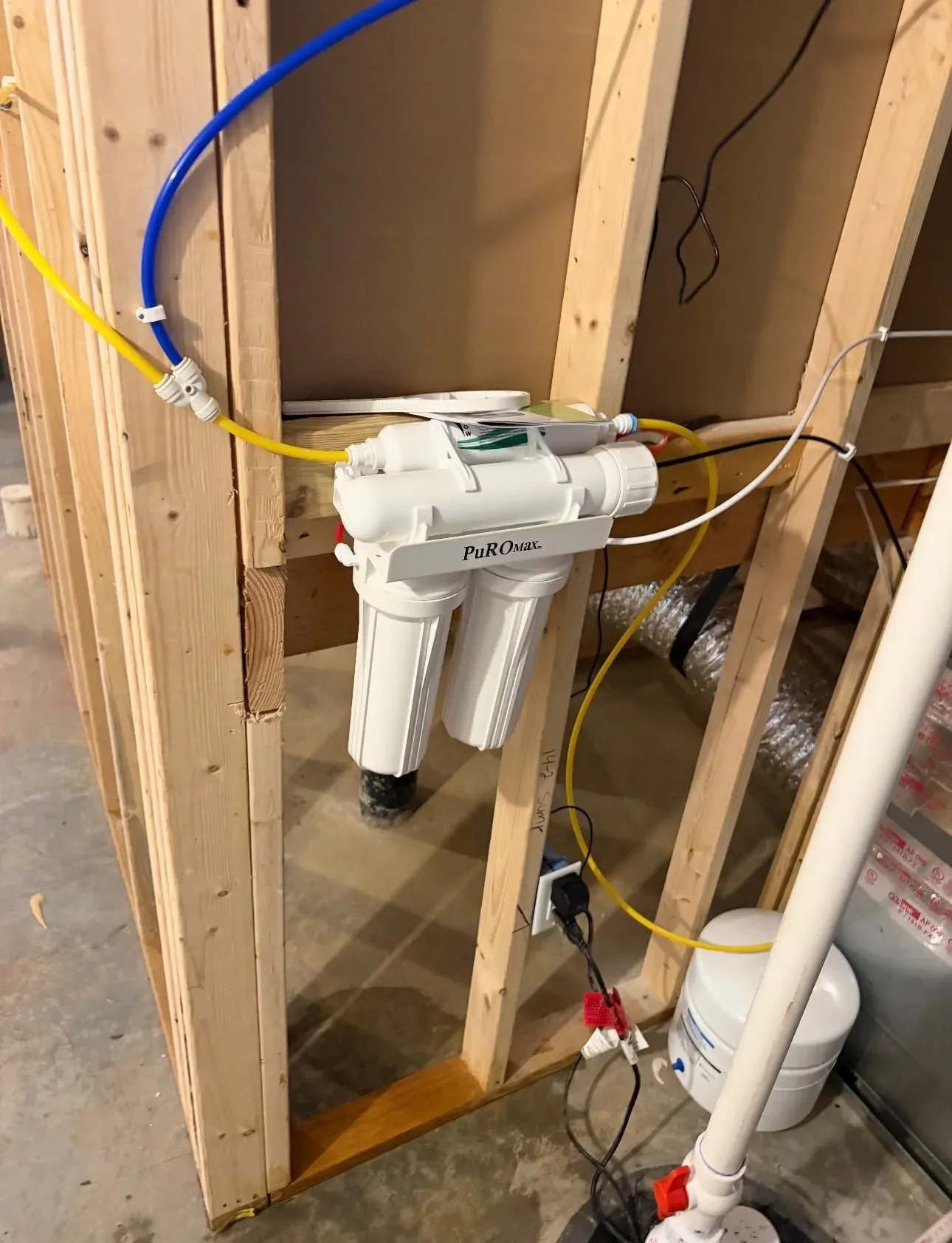
A softener installed upstream swaps calcium and magnesium for sodium before water ever reaches your heater. Many Martinsburg homeowners pair it with carbon pre-filtration, since city water carries noticeable chlorine that wears out softener resin over time. The carbon stage removes that chlorine first, which protects the softener itself.
Together, soft water and yearly descaling give your unit the environment it needs to reach a full 20-year lifespan. If you are weighing your options, our water treatment solutions page walks through what fits different homes, and our guide on
hard water plumbing problems in Martinsburg covers how the same minerals affect your pipes and fixtures.
What Skipping Maintenance Really Costs You
Skipping flushes turns a high-efficiency appliance into an expensive one. Water heating already accounts for about 18% of your home’s energy use, making it the second largest energy expense in most homes, according to the Department of Energy. Scale pushes that share higher every year you wait.
Think about the trade-off this way:
| Approach | What You Spend | What You Get |
|---|---|---|
| Annual flush | One short service visit per year | Rated efficiency, 15- to 20-year lifespan |
| Flush plus softener | Service visit plus treatment system | Best efficiency, longest life, less scale everywhere |
| No maintenance | Nothing upfront | Rising bills, error codes, early replacement |
You bought a tankless system to save money. Letting scale build up cancels that savings while you still carry the higher upfront cost of the equipment. Meanwhile, the repairs get more expensive the longer you wait.
FAQs About Tankless Water Heater Maintenance
Can I flush a tankless water heater myself?
You can, but you will need a submersible pump, hoses, a bucket, and some comfort working with plumbing connections. A professional visit also includes an inspection of the burner, filter screen, and venting, which is where problems often hide.
Will a water softener eliminate the need for flushing?
No, though it comes close. Softened water dramatically reduces scale, but a yearly inspection still catches sensor issues, venting problems, and filter clogs early.
How do I find out how hard my water is?
Start with a hardness test strip from any hardware store for a quick baseline. You can also check your utility's annual water quality report, or ask us to test during a service call.
Is a tankless heater still worth it with water this hard?
Yes, as long as you plan for maintenance from day one. If you are still deciding, our comparison of tankless versus traditional water heaters for WV homes breaks down the costs and comfort trade-offs.
What happens if I ignore scale completely?
The heat exchanger coats over, efficiency drops, the unit overheats, and error codes trigger more often. Eventually the system fails and needs full replacement, which costs far more than years of routine service.
Schedule Your Tankless Flush in Martinsburg
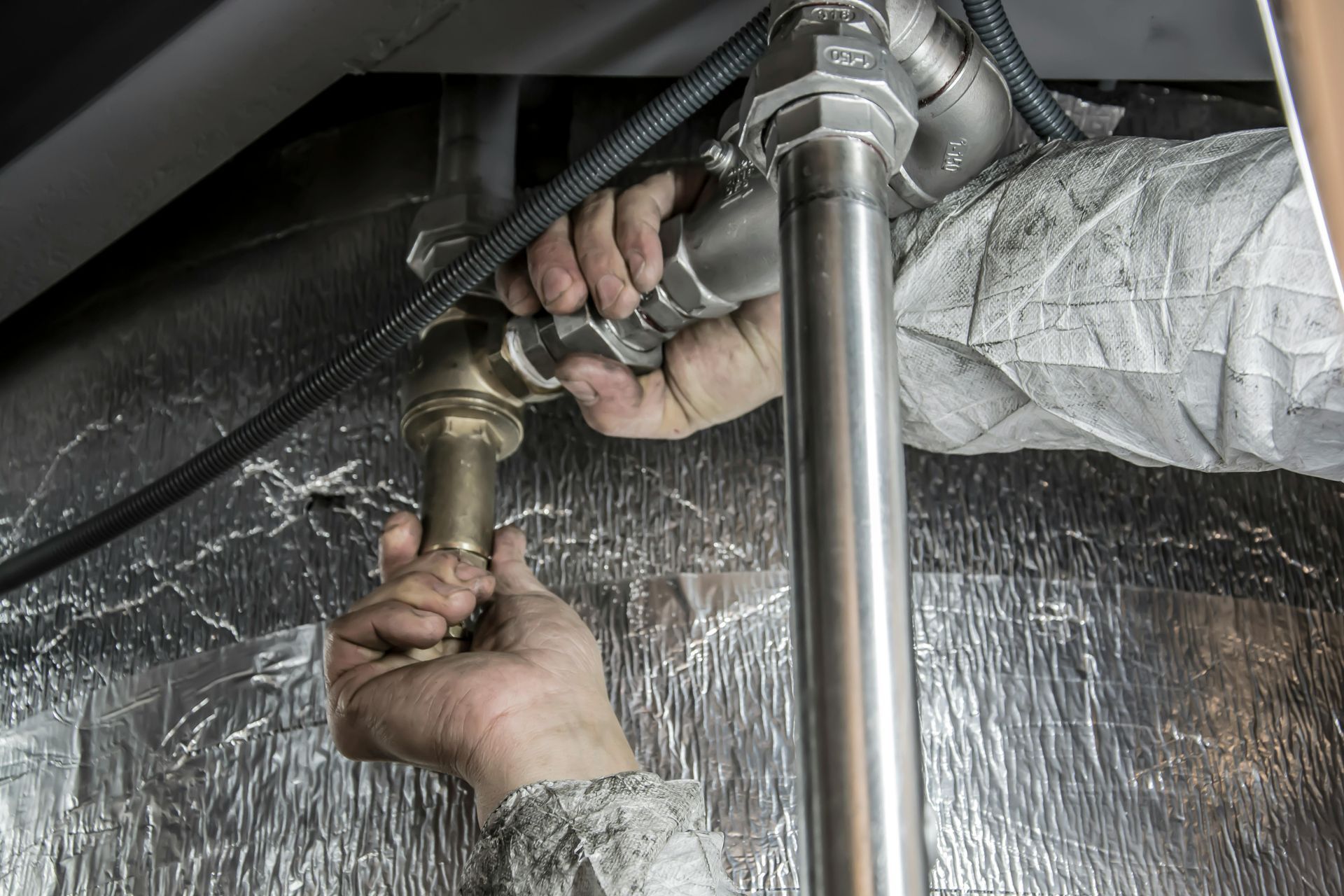
Protecting your tankless water heater starts with one service visit a year. The Plumbing Trust serves Martinsburg and the entire Eastern Panhandle, and we also handle everyday plumbing repairs while we are there, so you can knock out a few items at once.
Curious whether your home already shows signs of mineral damage? Take a look at our article on whether hard water is damaging your plumbing system, then give us a call.
Call
(304) 249-4956 to schedule your tankless water heater maintenance and keep your system running efficiently all year.
SHARE THIS ARTICLE
RECENT BLOGS