
Is Hard Water Damaging Your Plumbing System?
Hard water is common in many homes, and it can quietly create plumbing issues over time. You may not notice the damage right away, but your pipes, fixtures, appliances, and water heater can all feel the effects.
At The Plumbing Trust in Martinsburg, WV, we help homeowners spot hard water concerns early and choose smart solutions. If your water leaves spots, clogs fixtures, or makes appliances work harder, it may be time to take a closer look.
What Is Hard Water?
Hard water contains high levels of minerals, mainly calcium and magnesium. These minerals enter your water as it moves through soil, rock, and underground water sources.
Hard water is not usually dangerous to drink, but it can be tough on your plumbing system. Over time, minerals stick to surfaces and create scale inside pipes, fixtures, and appliances.
That scale can reduce water flow, lower efficiency, and lead to expensive repairs. This is why many homeowners deal with
hard water problems without knowing the real cause.
Common Signs of Hard Water in Your Home
Hard water often leaves clues around your home. You may see white spots on faucets, cloudy marks on glasses, or crusty buildup around showerheads.
You may also notice that soap does not lather well. Your skin may feel dry after a shower, and your laundry may feel stiff or look dull.
Watch for these common warning signs:
- White or chalky buildup on faucets
- Low water pressure at sinks or showers
- Spots on dishes and glassware
- Dry skin or dull hair after bathing
- Frequent water heater issues
- Clogged showerheads or faucet aerators
- Soap scum in tubs and sinks
These signs may seem small, but they can point to bigger plumbing stress. The sooner you address hard water, the easier it is to protect your home.
How Hard Water Can Damage Your Plumbing
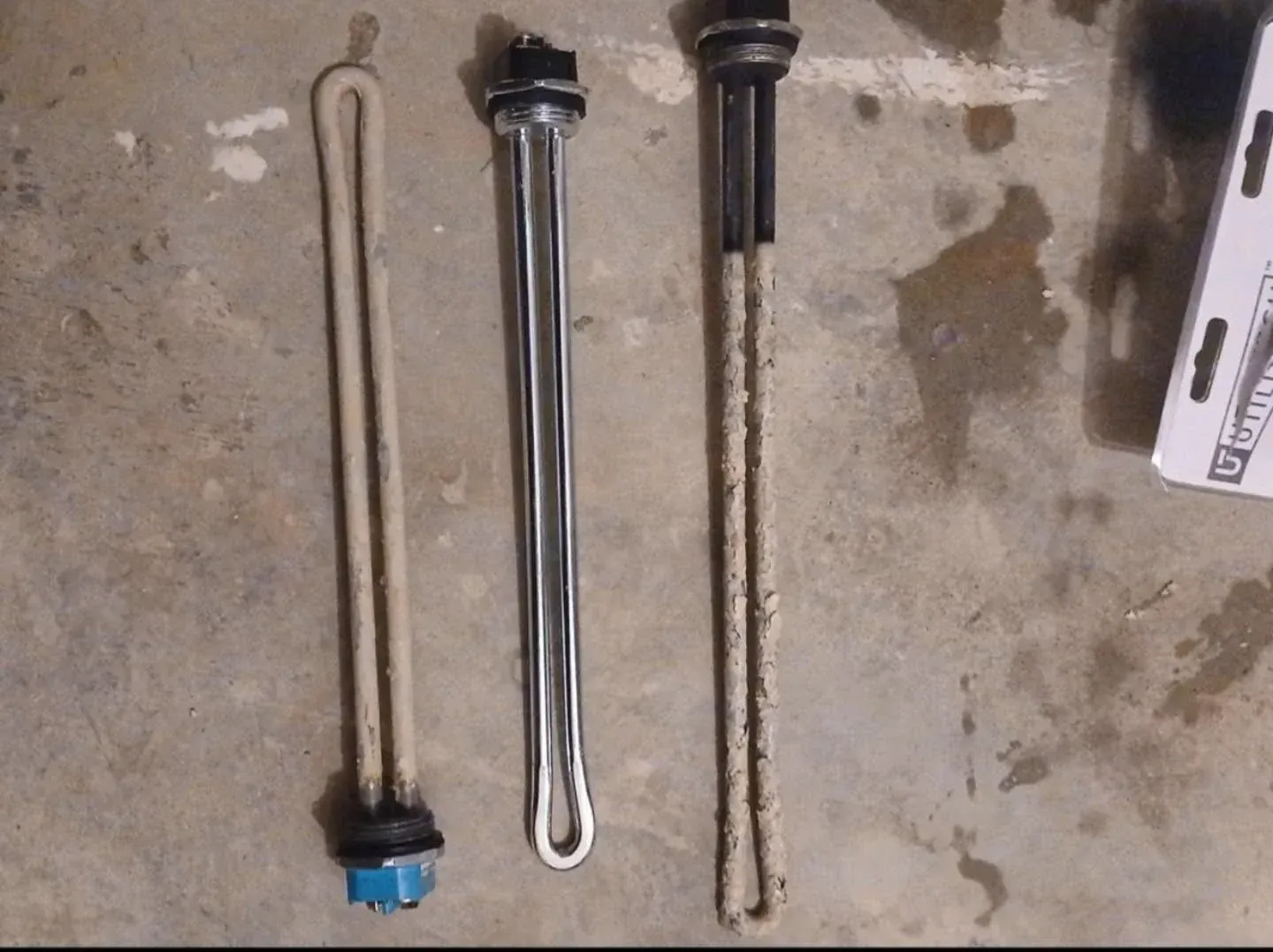
Hard water minerals collect inside pipes and form scale. This process can lead to mineral buildup pipes that slowly narrow the path where water flows.
When water has less room to move, pressure drops. Your plumbing system then works harder, and fixtures may not perform the way they should.
Over time, scale can also lead to plumbing pipe damage. Pipes may clog more often, joints may wear down, and older plumbing can become more vulnerable to leaks.
Hard water can also affect valves, supply lines, and fixture parts. A small buildup inside these parts can make them stick, leak, or fail sooner than expected.
Hard Water and Your Water Heater
Your water heater often takes the biggest hit from hard water. Minerals settle at the bottom of the tank and create a layer of sediment.
That sediment makes the heater work harder to warm your water. You may notice popping sounds, longer heating times, or higher energy bills.
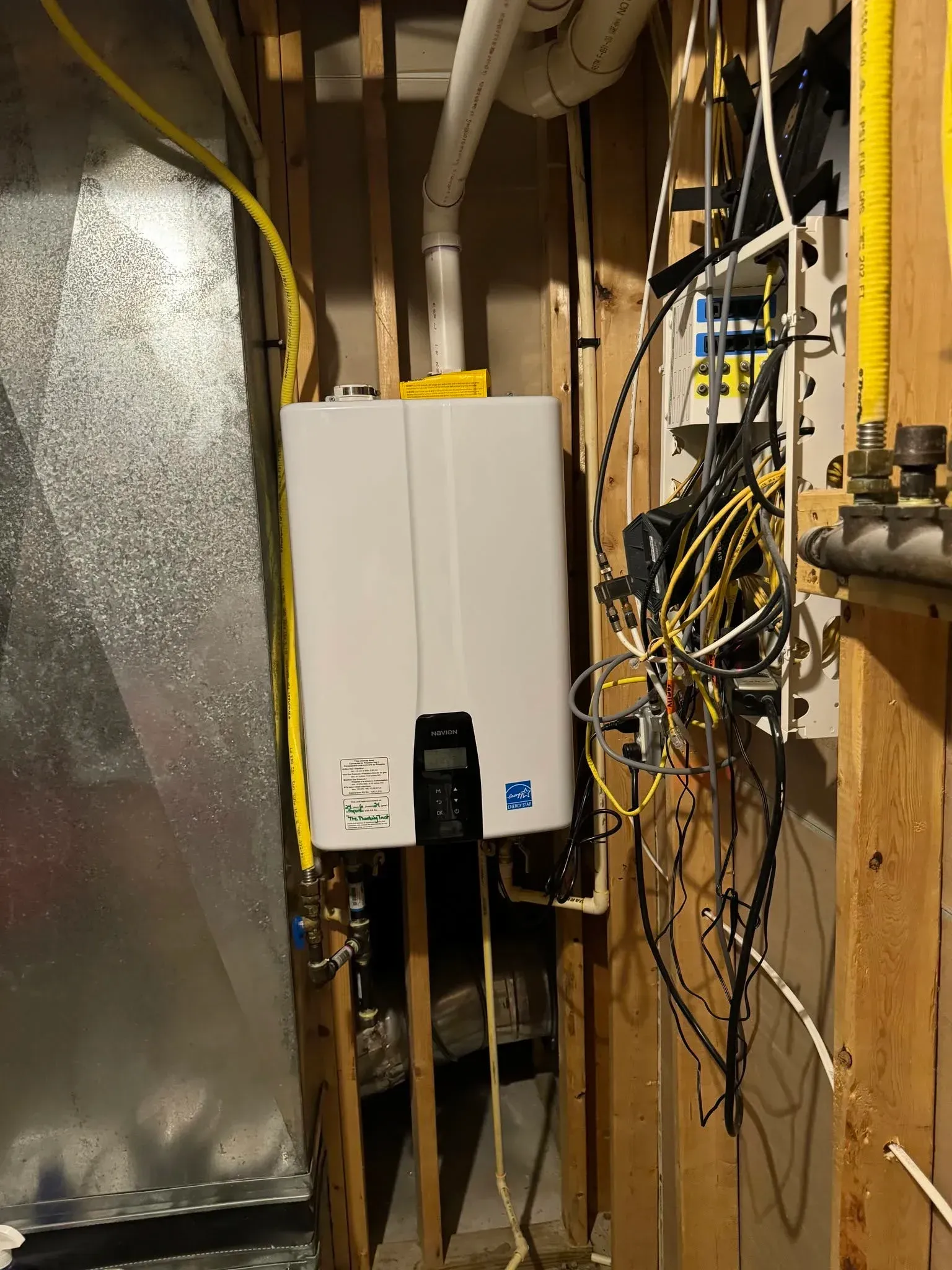
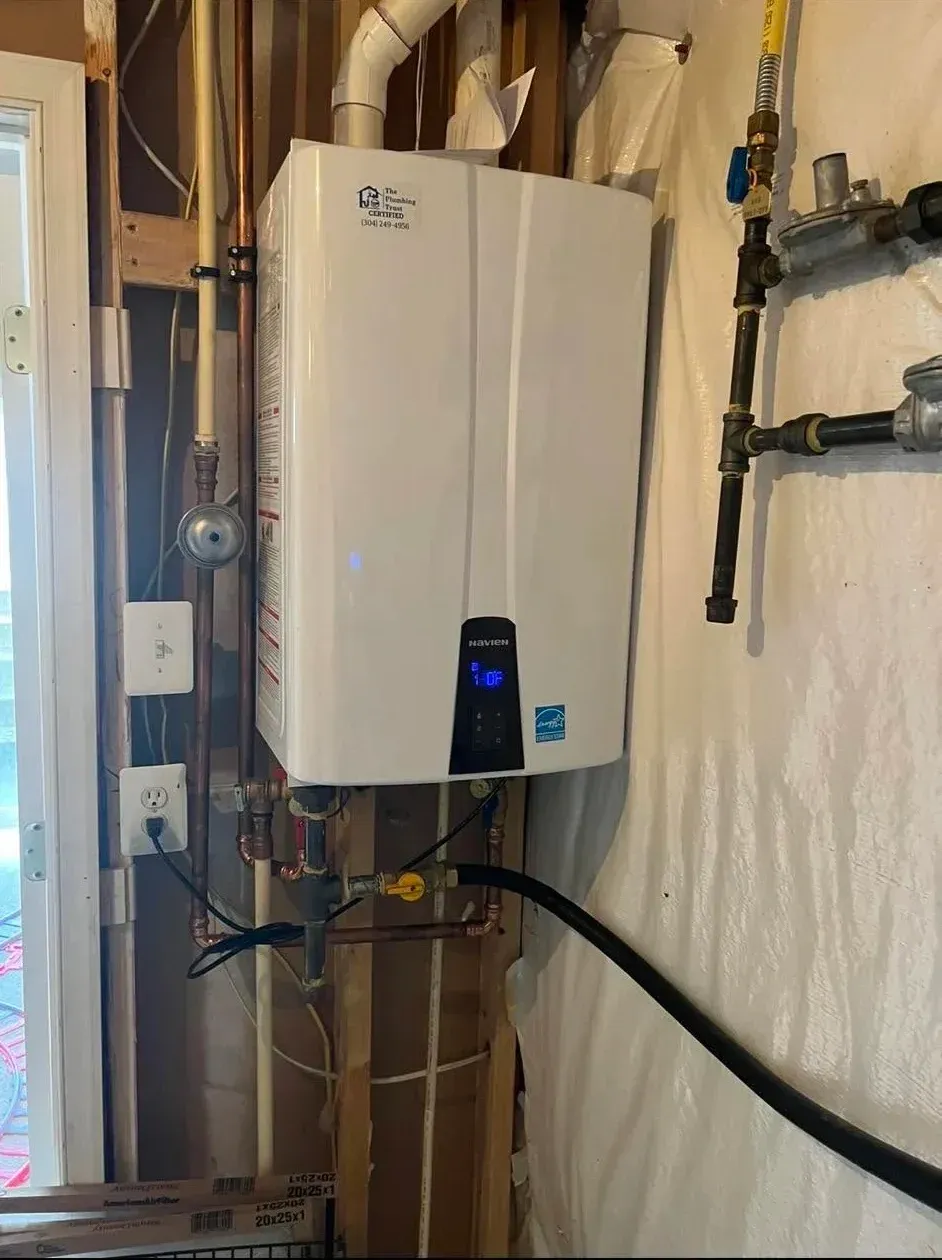
Tankless units can also suffer from scale. Since tankless water heaters rely on narrow passages and heat exchangers, mineral buildup can reduce performance fast.
Regular maintenance helps, but
water treatment gives your system stronger protection. A cleaner water supply helps your water heater run better and last longer.
Why Martinsburg Homes Should Pay Attention
Homes in Martinsburg and nearby areas can have different water quality based on the water source. City water and well water may both contain minerals that cause buildup.
If your home uses a private well, water quality can change over time. In some cases, hard water appears along with other concerns that may affect taste, smell, or flow.
That is why we often recommend testing before choosing a solution. If you also have pressure problems, pump concerns, or water quality issues, our well pump repair and water treatment services can help identify the full picture.
We also provide general plumbing support when hard water has already affected fixtures, pipes, or appliances. If
underground utilities or service lines play a role in your water flow issue, we can help inspect those areas too.
Water Softener Benefits for Your Plumbing
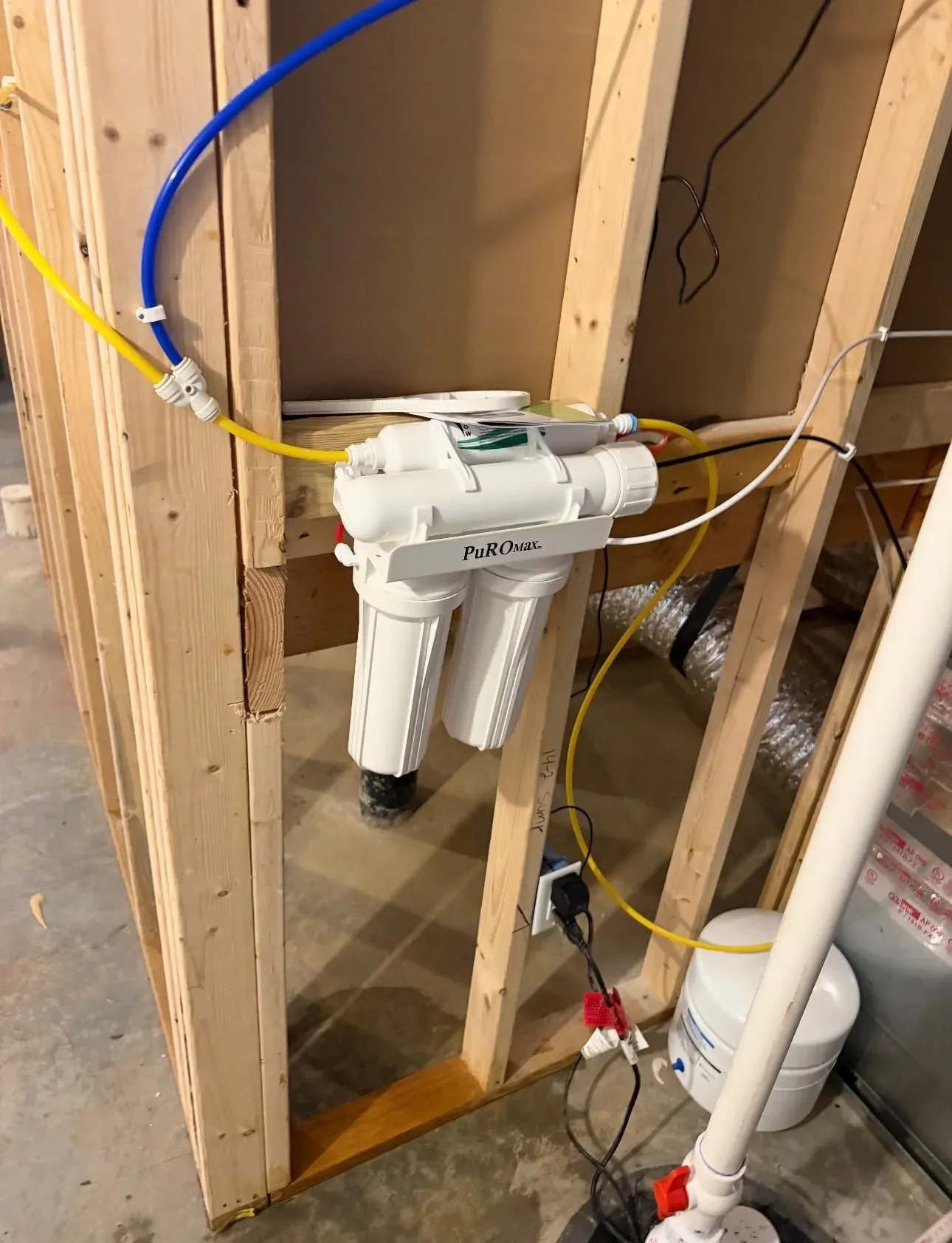
A water softener removes calcium and magnesium before they move through your plumbing. This helps reduce scale and protect your pipes, fixtures, and appliances.
The biggest water softener benefits often show up in daily life. You may see cleaner dishes, softer laundry, better water pressure, and less buildup around faucets.
A water softener can also help your water heater run more efficiently. When minerals do not collect inside the system, it can heat water with less strain.
Here are a few ways a softener can help:
- Reduce scale inside pipes
- Improve fixture performance
- Help protect tankless water heaters
- Lower soap and detergent use
- Extend appliance life
- Support better water flow
A water softener is not the right fit for every home, but it can be a smart option when testing confirms hard water.
Call The Plumbing Trust for Water Treatment in Martinsburg, WV
Hard water may start small, but it can cause real damage if you ignore it. If you notice hard water problems, low pressure, scale, or appliance issues, we can help you find the cause.
The Plumbing Trust provides water treatment,
general plumbing, tankless water heater service, well pump repair, and underground utilities support in Martinsburg, WV and nearby areas. Call us today at (304) 249-4956
to schedule service and protect your plumbing system.
FAQs About Hard Water
Can hard water ruin my pipes?
Hard water can contribute to pipe problems over time. Scale builds inside pipes, restricts flow, and may increase the risk of clogs, leaks, and wear.
Is hard water bad for tankless water heaters?
Yes, hard water can affect tankless water heaters. Minerals can collect inside the heat exchanger and reduce efficiency, so regular flushing and water treatment may help.
How do I know if I need a water softener?
You may need a softener if you see scale, low water pressure, cloudy dishes, or frequent fixture problems. A water test can confirm mineral levels and help you choose the right solution.
Can hard water affect well systems?
Yes, well water can contain minerals that cause buildup in plumbing and appliances. If you have hard water and pressure issues, you may need both water treatment and well pump repair.
Will water treatment remove all water problems?
Water treatment depends on your specific water quality. A softener helps with hardness, but other systems may be needed for iron, odor, sediment, or other concerns.
SHARE THIS ARTICLE
RECENT BLOGS