
How to Handle a Plumbing Emergency: Quick Actions to Take
When a plumbing emergency hits your home, it never shows up politely or calls ahead like a courteous houseguest. No, a plumbing emergency barges in at 3 a.m., soaks your hallway, and laughs while you scramble for towels. Whether it is a burst pipe, a toilet overflowing with enthusiasm, or a water heater that suddenly forgot how to behave, knowing what to do in the first moments makes all the difference.
Understanding how to respond quickly can help reduce damage, keep your stress level manageable, and protect your home until a professional can perform
emergency plumbing service. In this guide, we break down practical steps, helpful insights, and real world examples so you can stay calm and in control when the unexpected strikes.
Recognizing a Real Plumbing Emergency and Why It Matters
A plumbing emergency is not your average clogged drain that you have been meaning to fix for a week. It is an immediate threat to your property, comfort, or safety. Knowing the difference helps you take action quickly and appropriately.
What Counts as a Plumbing Emergency?
Some situations absolutely qualify:
- Burst Pipes: Water is pouring out somewhere it should not. This is a classic and extremely destructive plumbing emergency.
- Sewer Backups: When wastewater begins reversing direction, you have a major health hazard plus a costly cleanup waiting to happen.
- Major Leaks: If water is spreading through walls, ceilings, or floors, you must move fast to prevent structural damage.
- No Water at All: Losing access to water unexpectedly can signal something major happening with your main supply line.
- Overflowing Fixtures: Toilets, tubs, and sinks that refuse to stop overflowing can lead to rapid water damage.
Why Fast Action Matters
Delaying even a few minutes can increase the severity of damage. Water spreads quickly and absorbs into wood, drywall, insulation, and flooring. The faster you respond, the more likely you are to minimize the need for expensive emergency plumbing repair.
It is not about becoming a full time plumber overnight. It is about knowing enough to keep the situation stable until help arrives. Think of it as being the temporary captain of a ship that has sprung a leak while you wait for the Coast Guard.
Immediate Steps to Take When a Plumbing Emergency Happens
Once you recognize a plumbing emergency, your first moments matter. These actions help protect your home and give a clear picture to any technician responding to your call.
1. Shut Off the Water
This is the number one rule. Every home has a main shut off valve, usually located where the water line enters the house. Turning it off cuts water to your entire plumbing system.
- If a certain fixture is the problem, turn off its individual supply valve.
- If you cannot find it or if water is coming from multiple places, go straight to the main shut off.
This simple step prevents hundreds or even thousands of dollars in damage.
2. Turn Off Electricity in Affected Areas
Water and electricity make a dangerous combination. If water is pooling near outlets or appliances, shut off power to those areas at the breaker panel. Do not touch wet outlets or switch anything on or off while standing in water.
3. Identify the Source of the Problem
You do not need to diagnose it like a professional, but understanding the basics helps. Common sources include:
- Corroded pipes
- Loose plumbing connections
- Broken plumbing vent pipe letting water drain improperly
- Failed water heaters
- Clogged main drains
- Overflowing toilets
Knowing what caused the issue helps when you call a professional and allows for a quicker fix.
4. Move Possessions to Safety
Protect furniture, electronics, rugs, and keepsakes. Even small leaks can ruin sentimental items.
5. Reduce Water Pressure
After shutting off your water, turn on a faucet at the lowest point in your home. This relieves pressure in the system and minimizes remaining water leakage.
6. Mop or Contain Water
Use towels, buckets, and mops to remove standing water. The faster you dry the area, the less long term damage you will face.
7. Call for Emergency Plumbing Service
Once the water is controlled, get a trusted professional technician on the phone as soon as possible. Quick action makes repairs easier and keeps the problem from resurfacing.
Quick DIY Fixes to Control the Situation Until Help Arrives
While some plumbing emergency situations can only be safely handled by professionals, there are several temporary fixes that homeowners can do without risk.
Tackle Minor Leaks with Tape and Patches
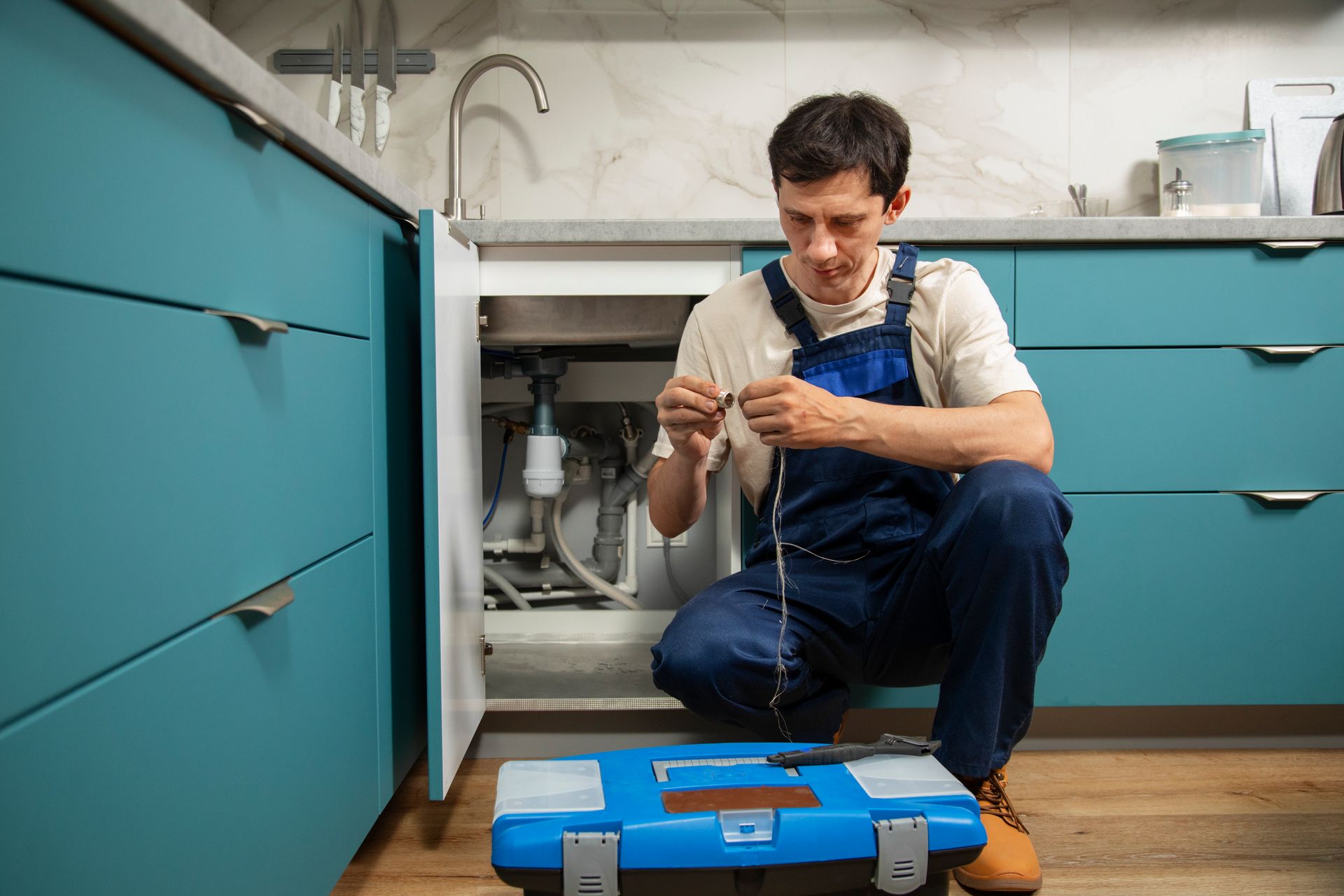
If you have a tiny drip coming from an exposed pipe, you can use plumbing tape or an epoxy patch to slow the leak.
- Plumber’s Tape helps with small joint leaks.
- Epoxy Patches can seal cracks but must be applied to dry surfaces.
- Rubber Patches with Clamps work for flexible fixes on mid sized leaks.
Remember, these are temporary solutions. They buy you time but do not replace proper plumbing pipe repair.
Toilet Overflow Quick Fix
If your toilet is overflowing:
- Open the tank.
- Push the flapper down to stop water flow.
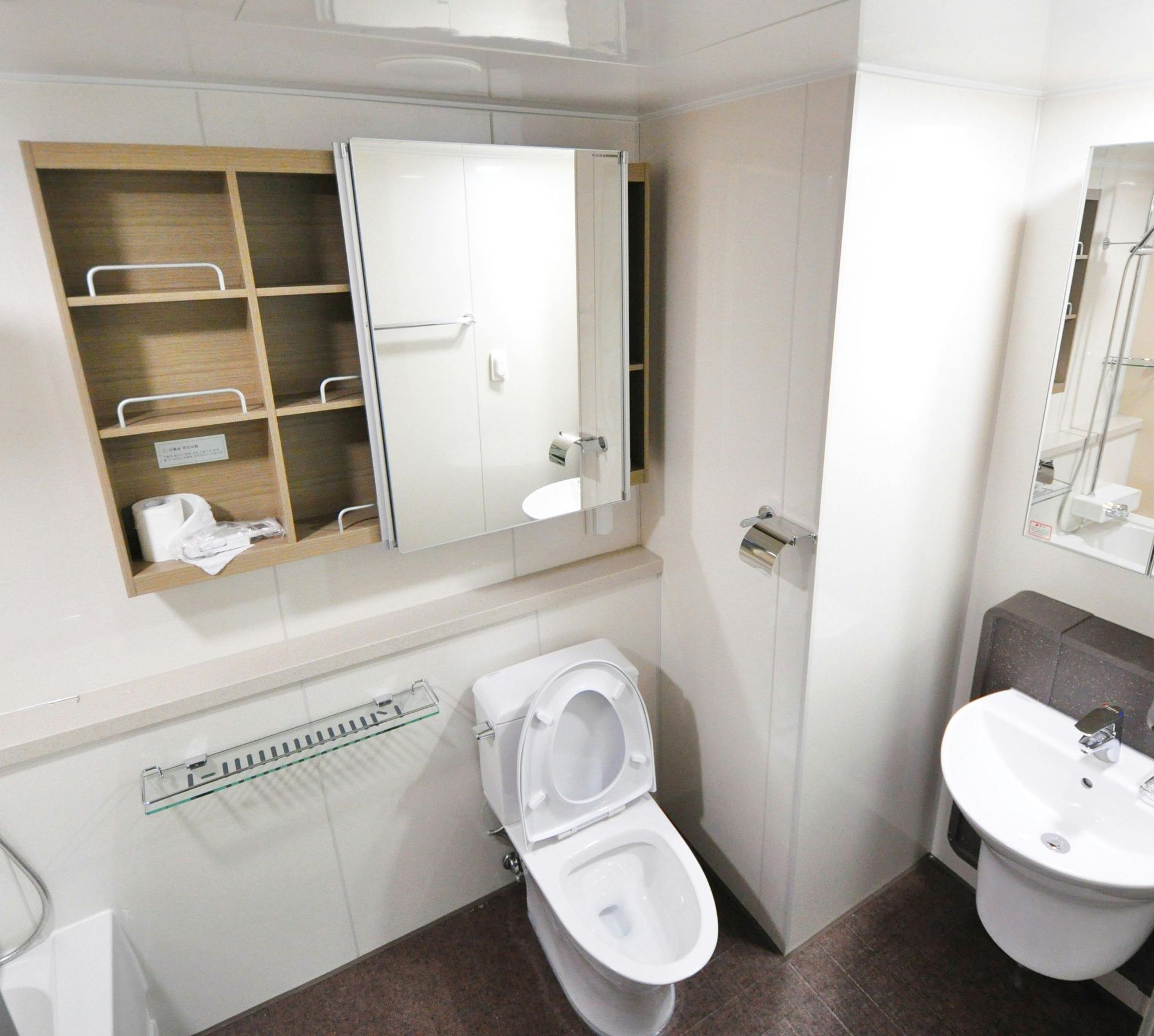
- Lift the float or turn off the water valve behind the toilet.
This gives you time to clear the blockage or wait for a plumber.
Unclogging Drains Safely
Avoid chemical drain cleaners. They can damage pipes and make things worse. Instead use:
- A plunger
- A drain snake
- Hot water and dish soap for grease clogs
These methods are safer and more effective in emergencies.
When to Avoid DIY Repairs
You should not attempt DIY repairs if:
- Water is coming from your electrical water heater
- Sewer water is entering your home
- Pipes are burst inside walls or ceilings
- The emergency involves gas lines near a water heater
- You are unsure where the leak is coming from
Safety always comes first.
Call The Plumbing Trust Today for Fast, Local Emergency Plumbing Help in Martinsburg, WV
When a plumbing emergency strikes, you do not want just any technician. You want a fast, local, experienced team that handles emergencies throughout the Eastern Panhandle of WV. Our crew at The Plumbing Trust understands how stressful these moments are, which is why we offer reliable emergency plumbing repair and emergency plumbing service when you need it most. With quick response times and fully trained professionals, we help protect your home and get your system working again.
Whether you are dealing with an urgent leak, a broken line, or a major water issue, you can count on us to restore your peace of mind. Along with emergency plumbing work, we also provide
general plumbing,
water treatment, and
well pump repairs for homeowners throughout Martinsburg and surrounding areas. Call us today at
(304) 249-4956 for trusted, prompt plumbing help delivered by your local experts.
FAQs
What should I do first during a plumbing emergency?
Shut off the water at the main valve or at the fixture that is leaking. This stops the flow of water and limits damage.
Can I fix a burst pipe myself?
You can temporarily slow a burst pipe with tape or a clamp, but a professional must complete the repair to ensure it is done safely and correctly.
When is a clogged drain considered an emergency?
If the clog is causing water to overflow, back up into multiple fixtures, or involve sewage, it becomes a plumbing emergency.
How can I prevent plumbing emergencies?
Regular maintenance, avoiding harmful items in drains, and scheduling annual inspections will greatly reduce the risk.
Why does my plumbing emergency affect other fixtures in the home?
Many parts of your plumbing system are interconnected. Issues in one area can cause pressure changes, backups, or drainage problems in another.
SHARE THIS ARTICLE
RECENT BLOGS